
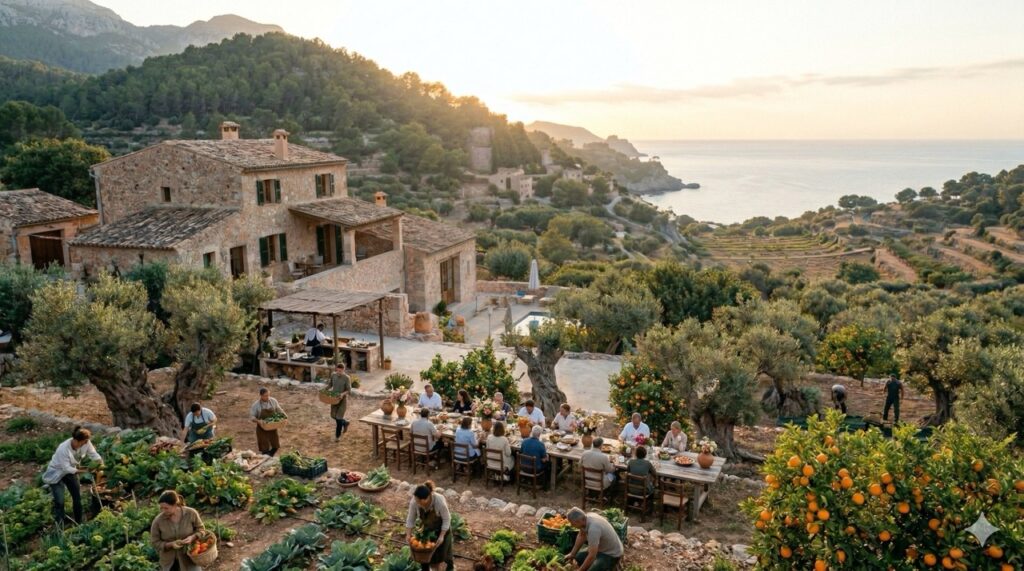
Mallorca’s slow food movement is flourishing, with local restaurants championing sustainability, seasonality, and traditional methods. These top 10 establishments invite you to savour every bite while supporting community farmers and preserving culinary heritage.
Why is slow food important in Mallorca?
How does slow food benefit Mallorca’s local culture?
Slow food dining has become a powerful force across Mallorca, celebrating recipes handed down through generations, revaluing native ingredients, and revitalising farm-to-table practices. This approach reconnects residents and visitors alike with the island’s honest flavours and rural roots, while empowering small-scale producers and diverting attention from mass-market dining.
What impact does slow food have on the environment?
Slow food prioritises organic farming, reduced food miles, and less packaging, resulting in a lower environmental footprint. Mallorcan slow food restaurants often source ingredients from their own gardens or neighbouring eco-farms, ensuring fresher dishes and supporting biodiversity on the island.
Which are the best slow food restaurants in Mallorca?
Where can you find authentic slow food experiences?
- 1. Es Racó d’es Teix (Deià): Offering a culinary retreat in the Tramuntana mountains, Es Racó d’es Teix emphasises local produce from surrounding farms. The seasonal tasting menus showcase Mallorcan lamb, wild fish, and organic vegetables, with an outstanding wine list highlighting indigenous grape varieties.
- 2. Ca Na Toneta (Caimari): Sisters Maria and Teresa Solivellas have anchored the slow food ethos, using garden produce and collaborating with artisans for everything from olive oil to cheese. The result: vibrant, creative plates rich in local stories and flavours, all sourced within kilometres.
- 3. Béns d’Avall (Sóller): Nestled on cliffs above the sea, this family-run spot honours Mallorcan gastronomy with wild herbs, seafood, and foraged ingredients. The chef’s dedication to sustainability makes each dish both surprising and meaningful.
- 4. Can Simoneta (Canyamel): Famed for its spectacular coast views and garden-to-fork philosophy, Can Simoneta’s chefs curate vibrant, inventive menus starring seasonal, organic produce from nearby farms and their own orchard.
- 5. Miceli (Selva): Passionate about sustainability, Miceli crafts an ever-evolving menu based on daily market finds and local suppliers, offering a relaxed yet sophisticated dining experience in an old Mallorcan townhouse.
- 6. Santi Taura (Lloseta): Chef Santi Taura reimagines Mallorcan classics using heritage recipes, organic produce, and house-made olive oil. The multi-course tasting menu is a journey through the island’s culinary past and present.
- 7. Dins Santi Taura (Palma): At his city outpost, Taura maintains his farm-to-table principles and devotion to Mallorcan tradition, offering modern interpretations of ancestral dishes paired with biodynamic wines.
- 8. Sa Fàbrica de Gelats (Sóller): While a gelateria, not a restaurant, its slow food credentials are impeccable: local fruits, artisanal methods, and a strong relationship with island farmers have made its sorbets a legend.
- 9. Oliu (Andratx): Set in a former olive press, Oliu shines with a Mediterranean menu revolving around organic vegetables, locally line-caught fish, top-quality meats and extra-virgin olive oil pressed on site.
- 10. Finca Serena Restaurant (Montuïri): Sourcing nearly all produce from its surrounding 40 hectares, Finca Serena offers a peaceful farm-to-table fine dining experience, with eco-certified wines and seasonal set menus.
What makes these restaurants sustainable and authentic?
Which practices define Mallorca’s slow food excellence?
These top slow food destinations commit to minimal waste, thoughtful seasonal cooking, and a strong network of local suppliers. Their kitchens highlight autochthonous breeds, ancient grains, natural fermentation, and a respectful approach to land and community. Each restaurant plays a role in safeguarding Mallorca’s environmental and gastronomic future.
How do diners contribute to the slow food movement?
By choosing these establishments, diners not only enjoy outstanding meals but also support biodiversity, traditional farming, and the local economy. Participating in the slow food movement means making conscious choices-seeking out places that value time, heritage, and the true taste of Mallorca.
How can you enjoy slow food on your next Mallorca visit?
What should you expect when dining slow in Mallorca?
Prepare for unhurried meals, close connection to nature, and menus that change with the seasons. Guests often meet the chefs or farmers, and are encouraged to ask about techniques or stories behind each dish. Most slow food restaurants require advance reservation, particularly from spring to autumn.
How can you book and what is the price range?
Reservations are generally made via each restaurant’s website or by phone. Prices for a slow food experience typically range from €45 to €120 per person, depending on the number of courses and wine pairings. Budget-conscious diners can find more casual options for €25-€40 at lunch or in rural settings.